
A glass lift does two jobs: it moves people, and it gives them something to look at while it does. IET supplies, installs and maintains panoramic elevators across Kenya — full passenger lifts in a glass car, engineered for the view, the sun and the structure that has to hold them.
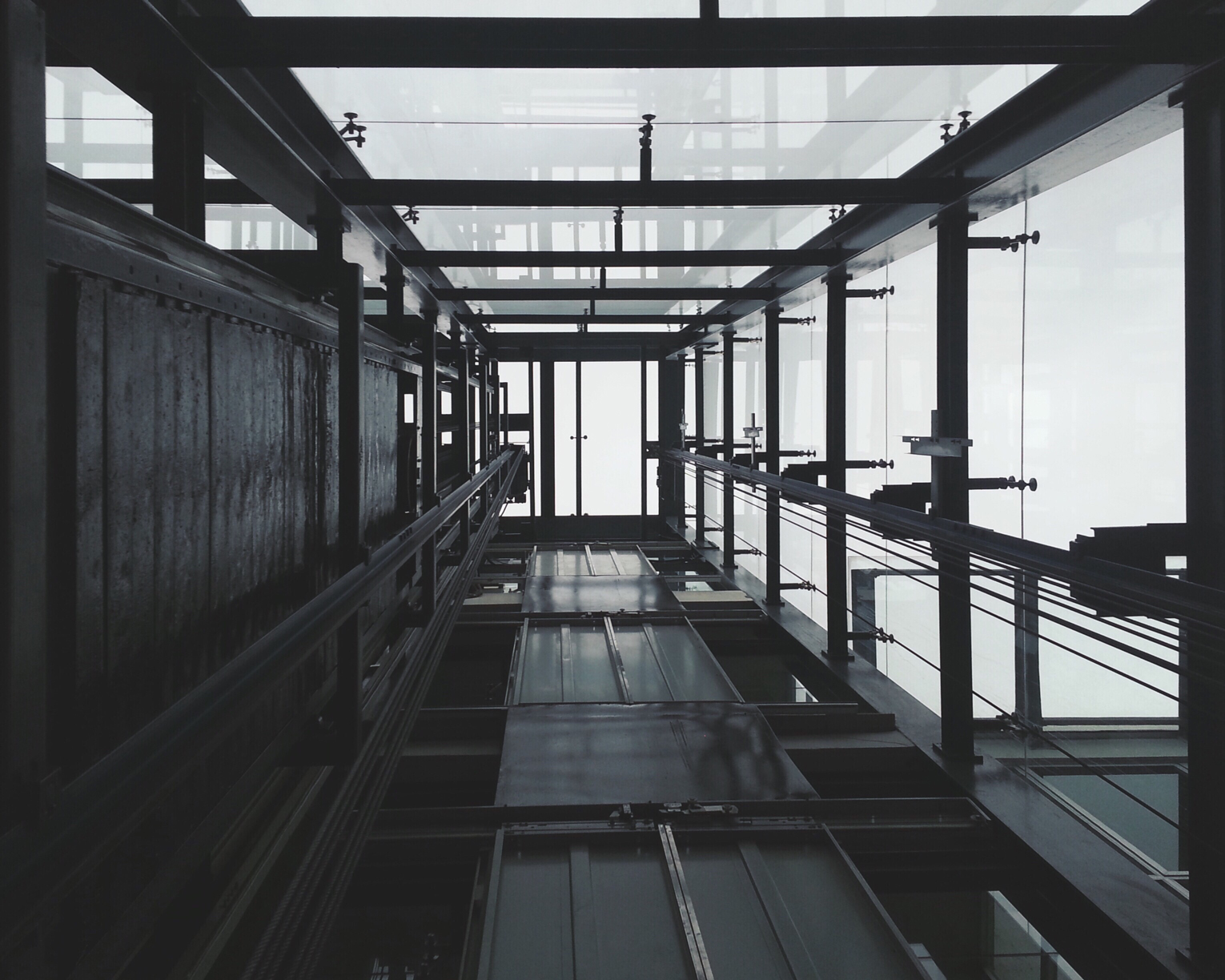
A bird’s-eye view, IET Panoramic Elevators
A panoramic elevator — also called a glass, scenic or capsule lift — is a normal passenger lift with a transparent car, carrying the same loads and meeting the same safety standards while turning the ride into a focal point for an atrium, lobby, mall or tower.
The engineering starts with the structure: a glass car needs a shaft designed to be seen through, so the rail, counterweight and machine positions are best worked out with your architect early, and the choice between semi-panoramic (one glazed face) and fully panoramic (three) drives both the structure and the cost.
Sun is the other consideration in Kenya — a car on an exposed façade takes strong, high-altitude light, so we specify laminated glass with solar-control coatings and plan cleaning access from the outset.
Key Features
A Full Passenger Lift — same capacities, speeds and EN 81-20/50 safety standards as any passenger lift; the glass changes the view, not the performance.
Semi or Fully Panoramic — one glazed face against a wall, or a three-sided car in an open shaft, chosen to suit the structure and the budget.
Laminated Safety Glass — toughened, laminated glazing throughout, the standard for a car people ride in.
Specified for the Sun — solar-control or tinted glass keeps a car on an exposed façade comfortable in strong Kenyan light.
Designed With Your Architect — rail positions, counterweight and machine placement worked out early, so the shaft is designed to be seen through.
Cleaning Planned In — access for cleaning the glass, inside and out, is designed in from the start rather than discovered later.
Specifications
| Capacity | 630 – 1,600 kg (8 – 21 persons) |
| Speed | 1.0 – 2.5 m/s |
| Travel | Up to 30+ stops |
| Car type | Semi-panoramic (one glazed face) or fully panoramic (three glazed faces) |
| Glazing | Toughened laminated safety glass; solar-control, tinted or low-iron options |
| Shaft | Glazed / structural-glass shaft, or open shaft against a façade or atrium wall |
| Drive | Gearless MRL traction |
| Doors | Automatic centre or side-opening; glass or stainless door panels |
| Cabin finish | Stainless steel, brass or bronze fittings; LED lighting; glass or stone flooring |
| Safety | Battery auto-rescue, door sensors, emergency phone, overspeed governor |
| Compliance | EN 81-20/50 — there is no separate panoramic standard; a glass lift meets the same passenger-lift requirements |
| Power | Three-phase |
Glazing, car configuration and shaft design are engineered per building; confirmed at survey with your architect.
Where It Fits
How We Deliver
Related Projects
Crown Plaza
5-Star Hotel
46 Floors
10 Elevators
Voco-Doha West Bay Suites
5-Star Hotel Suites
51 Floors
10 Elevators
Al Majed Tower
Commercial
31 Floors
13 Elevators
FAQs
Is a glass lift as safe as a normal one?
Yes. A panoramic lift is a passenger lift and meets the same European safety standard, EN 81-20/50, with the same door sensors, overspeed protection, emergency communication and battery auto-rescue. The car is built from toughened laminated safety glass, which is designed to hold together rather than shatter.
Do I need a glass shaft?
Not always. A fully panoramic car with three glazed faces needs an open or glazed shaft to be worth it, but a semi-panoramic car — glazed on one face, solid on the others — can run against an atrium wall or a façade, which is simpler and less expensive. We work out which suits your building at survey.
Will the car get hot in the sun?
It can, if the glazing is wrong. On exposed or west-facing façades we specify solar-control or tinted laminated glass to cut heat and glare, and ventilation or air conditioning can be added to the car. This is worth deciding early, because it depends on which way the lift faces.
How is the glass kept clean?
By planning for it. Cleaning access — inside the car and along the shaft — is designed in from the start, and glass cleaning can be built into the maintenance contract. A glass lift that cannot be reached stops looking like a feature very quickly.
When should I involve you in the design?
As early as possible. The shaft, guide rails, counterweight and machine positions all affect what the lift looks like from outside, and they are far easier to get right on a drawing than to change on site. We are happy to work directly with your architect.
Ready to Get Started?
Let’s look at your building and design the panoramic lift that fits it. Request a quote or talk to an engineer today.
Kenya Office
B67, 6th Floor, Valley View Office Park, City Park Drive, Parklands, Nairobi, Kenya
Tel: +254 725 000 052 · +254 116 003 009