


As Kenya’s skylines change – from Nairobi’s Upper Hill to Mombasa’s business districts – buildings are growing taller and more complex. To move people efficiently within these structures, developers rely on escalators and elevators. They may seem similar at first glance, but their differences matter greatly when choosing the right system for a building.
This detailed article explains how each system works, where they perform best, how they compare in safety and cost, and what Kenyan building owners should consider before installing elevators & escalators.
How Do Escalators and Elevators Work?
Even though escalators and elevators both transport people between floors, the technology behind them is very different.
How does an elevator work?
Elevators travel vertically inside a protected shaft. The cabin is supported either:
- by cables and counterweights (traction elevators) for tall buildings
- by a hydraulic piston system for low-rise structures
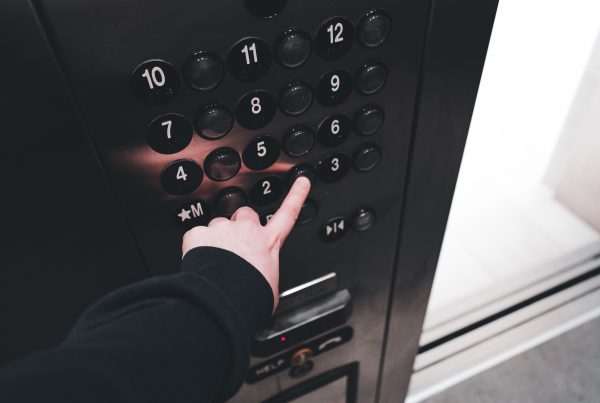
The ride feels smooth, controlled, and private – ideal for offices, hospitals, and residential towers. Modern lifts include:
- automatic door safety sensors
- voice floor announcements
- Braille buttons
- emergency rescue motors
- regenerative energy options
Elevators provide accessibility for wheelchairs, hospital stretchers, children, elderly passengers, and anyone needing safe, comfortable travel.
How does an escalator work?
Instead of a cabin, an escalator is an open staircase that moves continuously using a motor-powered step chain that loops beneath the floor. Passengers simply step on and off without waiting.
Escalators maximize flow – they are the backbone of:
- malls
- train and metro stations
- airports
- stadiums
They are designed for constant movement, allowing many people to travel short height differences without queueing.
What Are Escalators Used For?
Public Spaces
Escalators are perfect in busy destinations; where thousands of users move simultaneously every minute. The system avoids congestion by keeping users moving.
High-Traffic Environments
Retail and transit spaces rely on escalators to:
- Improve crowd flow
- Boost retail engagement as customers explore multiple floors
- Reduce pressure on elevators & escalators that provide accessible transit
They provide excellent user experience where mobility is constant and predictable.
What Are Elevators Used For?
Residential Buildings in Kenya
Multi-storey apartments require elevators for:
- senior citizens
- families with strollers
- daily accessibility needs
- increased property value
By law and good practice, tall buildings must ensure equal access for all residents — elevators make this possible.
Hospitals, Hotels & High-Rise Buildings
In medical and tourism facilities, elevators are essential for safe vertical movement. Bed elevators are specially designed for stretchers and medical equipment. Hotels rely on them for privacy and comfort; which escalators can’t provide.
For skyscrapers like Britam Tower and GTC, high-speed traction elevators are the only solution capable of traveling long distances efficiently.
Key Differences Between Elevators & Escalators
Here are the most important distinctions building planners must understand:
Technology & Movement
Elevators move in a sealed vertical shaft, offering privacy and advanced safety controls. In contrast, escalators are open and continuously transport people without stopping -ideal when high visibility and continuous flow are priorities.
Speed & Capacity
Elevators travel faster and reach greater heights but carry only one group at a time. Escalators move slowly but move a constant stream of passengers – perfect during peak hours in retail and transit spaces.
Accessibility & Safety
Elevators provide inclusive mobility under global and Kenyan accessibility requirements – supporting wheelchairs, stretchers, trolleys, and luggage. Escalators are not suited for people with mobility challenges and must be paired with elevators.
Where Each One Works Best
Elevators are the best fit for residential buildings, hospitals, hotels, and high-rise business towers. Escalators excel in public spaces with constant circulation – airports, malls, and bus or train stations.
In many buildings, the ideal solution is a strategic combination of elevators & escalators working together.
Are Elevators More Expensive Than Escalators?
Choosing between escalators and elevators involves comparing both installation cost and lifetime maintenance.
Cost Factors
The final cost depends on:
- number of floors
- load capacity
- building design
- finishes and door configurations
- backup power and energy-saving systems
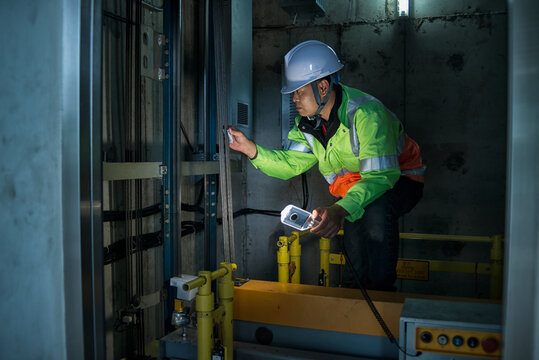
Escalators may cost more upfront due to their size and heavy-duty step assemblies. Elevators, however, often require higher long-term maintenance, safety inspections, and servicing of sensitive components.
A proper feasibility study ensures smart investment aligned with Kenyan budgets and standards.
Which Is Safer: Escalators or Elevators?
Both systems are extremely safe when professionally installed and maintained.
Risk Factors
- inappropriate use
- overloading
- lack of periodic inspections
- unauthorized tampering
Modern Safety Systems
- emergency stops
- fire and earthquake protection
- anti-rollback mechanics
- safety brakes and backup motors
- child safety features and step monitoring for escalators
Standards Compliance
IET Solutions ensures installations follow:
- KEBS elevator and escalator regulations
- EN 81 (lift safety requirements)
- EN 115 (escalator safety requirements)
- County approval and local authority compliance
A certified supplier minimizes legal risks and improves building reputation.
Choosing Between Escalators and Elevators in Kenya
Every building has different needs – there is no one-size-fits-all choice.
Local Building Needs
Before planning mobility systems, analyze:
- how many people move at once
- height of the building
- ages and abilities of users
- whether privacy is required
- impact on retail behavior
- energy supply and backup plans
Compliance With Kenyan Standards
Partnering with professionals ensures:
- Proper NCA and KEBS compliance
- Building-specific safety planning
- Correct elevator or escalator sizing
- Smooth future approvals and licensing
Why Work With Professional Suppliers Like IET Solutions?
IET Solutions provides:
- Engineering consultation
- Supply of certified global elevator brands
- Installation and testing
- 24/7 maintenance support
- Spare parts availability
Clients benefit from long-term performance, not just a one-time installation.
Tailored Solutions for Vertical Mobility
Property owners can choose from:
- Passenger elevators for apartments and offices
- Bed elevators for hospitals
- Service and freight elevators for goods
- Escalator solutions for malls and airports
- Specialized transit systems for modern BRT stations
Supported by Global Brands
International partnerships deliver:
- Quality, reliability, and spare-part security
- Efficient and safe movement experience
Professional installation protects your investment and your users.
Elevate Your Building with IET Solutions Kenya
Whether you need escalators and elevators for a mall, apartment block, hospital, or transportation hub – the right partner ensures efficiency, safety, and sustainability.
With IET Solutions, you get:
- Certified global technologies
- Optimized mobility planning
- Expert installation and commissioning
- Preventive maintenance and fast service response
- User-friendly and energy-efficient designs
Upgrade your project with modern vertical mobility systems today.
Start your consultation at IET Solutions
Contact IET Solutions for a customized proposal and professional support.
FAQs:
What is the difference between escalators and elevators?
Elevators move people vertically inside a secure cabin, while escalators are open moving stairs for continuous public flow.
Can an escalator be called an elevator?
No. They are separate systems with completely different mechanical designs and purposes.
Is an escalator a type of elevator?
Not technically. Both help people move vertically, but each serves different environments and safety requirements.
Sources:
- Difference Between Elevator and Escalator– DaZen Elevator
- Elevators vs Escalators: Key Differences Explained– Nibav Lifts.
- Elevator and Escalator– Britannica Kids
- Difference Between Elevators and Escalators for Modern Infrastructure– Fujitec India
- What Is the Difference Between an Elevator and an Escalator– Vintec Elevators
- Elevator vs Escalator: What Are They and How Do They Work?– Access-PK