


Elevator companies in Kenya supply, install, maintain and modernise lifts, escalators and related vertical transport systems. The hard part is not finding one. It is working out which of them will still answer the phone in year four, when the lift stops between floors and the building is full.
IET Solutions is one of the elevator companies operating in Kenya. Here is what to check before you sign.
What elevator companies in Kenya actually do
The work runs across four services: consultancy, supply and installation, maintenance, and modernisation. Most firms list all four. The difference is how many they actually deliver.
Consultancy is the one most projects skip, and it decides the rest. How many lifts a building needs, at what capacity, speed and grouping, follows from modelling peak traffic against how the building will be occupied. IET Solutions runs that analysis and issues a specification the project team can build and tender against, checked against EN 81, EN 115 and Kenyan building requirements before anything is ordered. Changing a shaft on a drawing is inexpensive. Changing it on site is not.
Supply and installation then follow the specification rather than a catalogue default. Maintenance is the long relationship: scheduled preventative visits, safety and compliance checks, emergency response. Modernisation keeps ageing equipment in service instead of replacing it.
A provider who only installs leaves you sourcing the other three elsewhere, which is how buildings end up with a lift nobody is accountable for.
Elevator installation in Nairobi: what the process involves
Elevator installation in Nairobi starts with a site survey, not a price. It establishes shaft dimensions, pit depth, headroom, power supply and traffic. Any quotation issued before it is a guess.
The survey should produce a written specification, not a brochure. That is what lets you tender the same scope to several suppliers and compare like with like. Shaft, pit and headroom are structural decisions, so the lift contractor belongs in the conversation before the slab is poured.
What “certified” means in practice
The word is used loosely here. It can refer to the equipment, the company, or nothing in particular. Ask which is meant and ask to see the document. IET describes its people as skilled and experienced technicians, trained across multiple brands and older units, which is a claim you can test on site.
Ask where the spare parts are
Most buyers never ask this, and it predicts downtime better than anything else. A part held in a Nairobi warehouse is a repair that happens this week. The same part ordered on failure is a lift out of service until it clears customs.
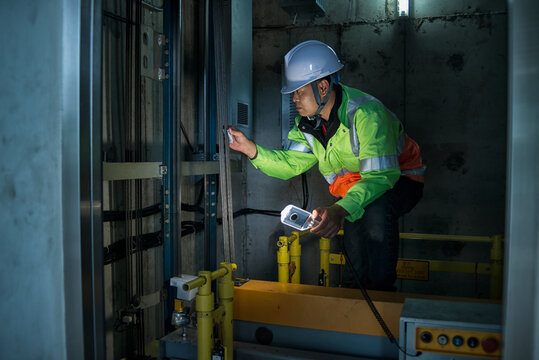
Ask which components for your model are held locally, which are imported, and the turnaround for each. IET stocks spare parts in warehouse and services lifts it did not supply, including units past their original warranty.
How to compare elevator companies in Kenya on maintenance terms
The maintenance contract is the real product. Installation happens once; maintenance runs for the life of the building. Read it before the brochure, and look for exclusions.
A serious agreement states a response time in hours, names what is covered and what is billed separately, and sets out escalation. Doors cause most lift faults, so ask whether door operators, sensors and panels are inspected every visit.
Talk to us before you sign
If you are comparing quotations or reviewing an existing maintenance agreement, we will survey the site and go through the terms with you, including the ones that are not ours.
You can see the full range of elevators, escalators, parking systems and maintenance plans at IET Solutions.
FAQs
How much does elevator installation in Nairobi cost?
Cost depends on travel height, capacity, speed and finish, so a single figure misleads. Compare quotations on the same specification, and include ten years of maintenance, not just installation.
How many lifts does my building need?
It follows from a traffic study, not from floor count. The calculation models how many people arrive at peak, how long they will wait, and what capacity and speed the building needs to hit those figures. A six-storey block choosing between one lift and two is making a thirty-year decision on a number, not a guess.
How long does elevator installation take?
Longer than most people expect, because the lift is built to your building’s measurements rather than pulled off a shelf. Manufacture and shipping take up most of the schedule. Fitting it is a matter of weeks once the shaft is ready.
Can I install a home elevator in Kenya?
Yes, and it is more common than it used to be. Home lifts fit into existing houses without major structural work. IET supplies them and covers them on the same maintenance plans as commercial lifts.