

Elevator modernization in Kenya lets building owners upgrade aging lifts without the cost and disruption of a full replacement. Instead of tearing out the whole system, you replace the components that wear out or fall behind code, restoring near-new performance, safety, and efficiency for far less money.
What Is Elevator Modernization?
Elevator modernization is the process of upgrading the key working parts of an existing lift, the controller, drive, motor, doors, and cabin, while keeping the structural shaft and guide rails in place. It ranges from a partial upgrade of one or two components to a full modernization that replaces almost everything except the structure, delivering performance close to a brand-new elevator.
Signs Your Building Needs Elevator Modernization
Watch for these clear warning signs:
- Frequent breakdowns and rising repair bills
- Slow rides and long waits caused by outdated dispatching
- Scarce spare parts because components are discontinued
- High energy consumption from inefficient motors and drives
- Outdated safety features, such as poor floor leveling or old door sensors
- A dated, worn cabin that undercuts your building’s image
If two or more of these sound familiar, your lift has likely reached the point where upgrading costs less than continuing to patch it.
Elevator Modernization vs Full Replacement
Modernize when the structural elements, the shaft, rails, and car frame, are still sound; this upgrades the controller, drive, motor, door operators, and cabin interior for most of the benefit of a new lift at a far lower cost. Choose full replacement only when the structure is compromised or the elevator is too old for any components to be worth saving. For most Kenyan buildings under thirty years old, modernization is the smarter investment.
Elevator Modernization Cost in Kenya: What Affects Pricing
There is no single price, because cost depends on the scope of work. The main factors are:
- Scope of upgrade — partial, semi, or full modernization
- Components replaced — controller, drive, motor, doors, or full cabin
- Lift type — passenger, home, goods, or high-speed
- Building height and number of floors served
- Number of elevators in the project
A focused control-system upgrade costs far less than a full modernization. The only accurate figure comes from an on-site assessment of your specific system.
How Long Does Modernization Take?
Most projects take a few weeks to a couple of months, depending on scope and how many lifts are involved. In buildings with more than one elevator, work is phased so at least one car keeps running, keeping disruption to tenants minimal throughout.
Choosing the Right Lift Company in Kenya
Look for a proven track record, genuine technical expertise, and ongoing support after the upgrade. The best lift companies in Kenya handle every stage, assessment, design, installation, and elevator maintenance, under one roof.
IET Solutions brings nearly four decades of experience since 1986, operates across five countries, and maintains over 2,500 elevators and escalators annually. Explore our maintenance and upgrading services to keep your building moving reliably.
FAQs:
What is elevator modernization?
It is upgrading an existing lift’s key components, like the controller, drive, and doors, while keeping the shaft and rails, to restore safety, speed, and efficiency without a full replacement.
How much does elevator modernization cost in Kenya?
Cost varies by scope, components replaced, lift type, and building height. A partial upgrade is far cheaper than a full one. An on-site assessment gives an accurate quote.
How often do elevators need modernization?
Roughly every twenty years, though heavy-use lifts and shifting safety standards can call for it sooner.
What is the process of elevator modernization?
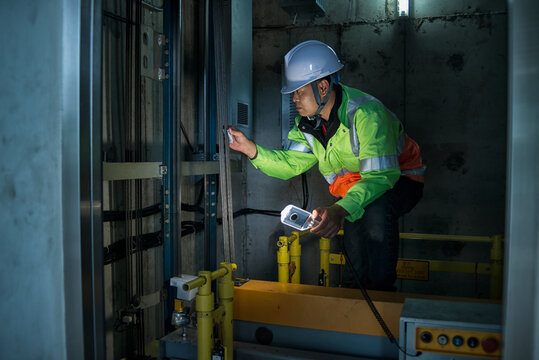
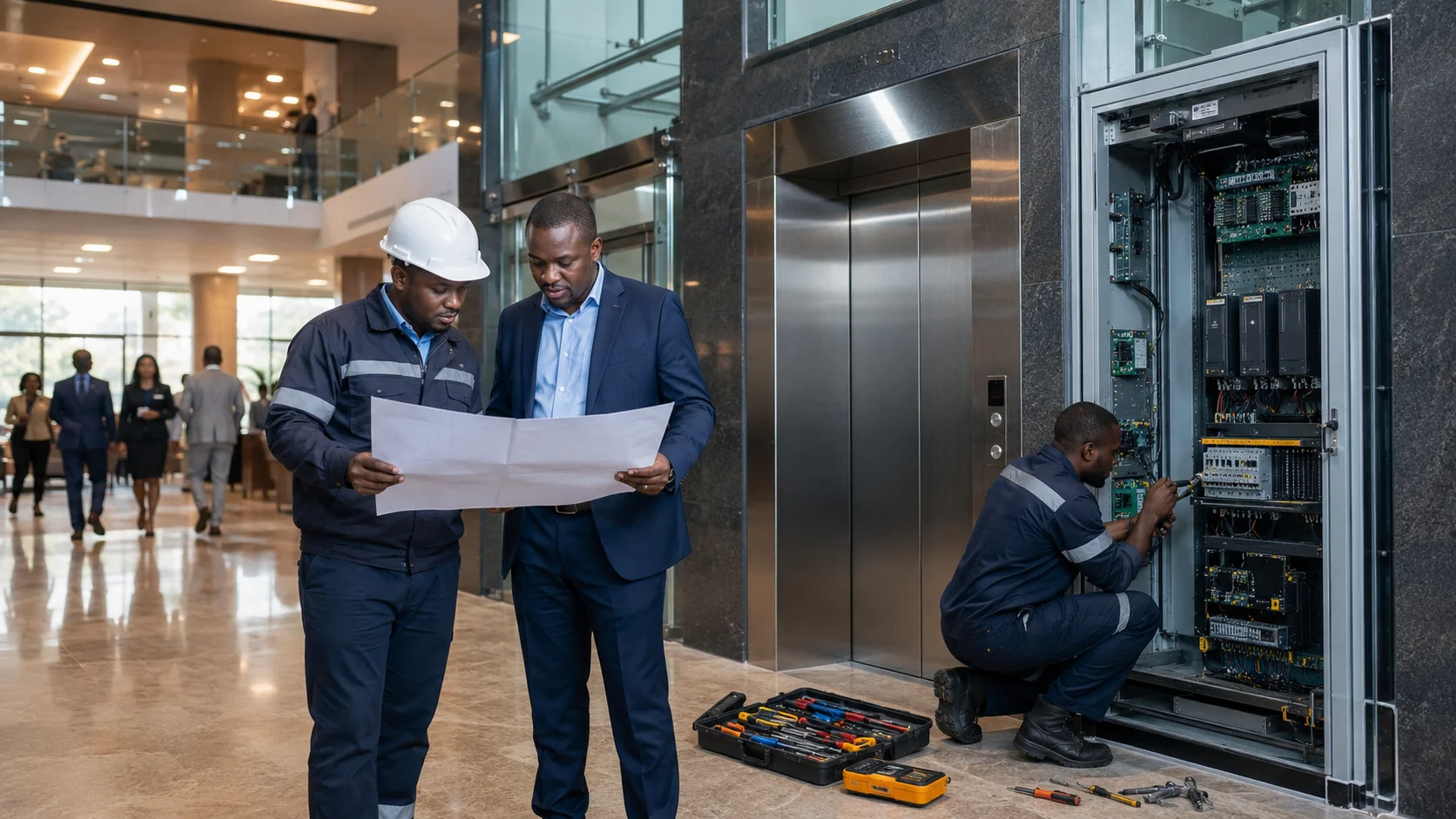
Assessment of the existing system, a defined upgrade plan, installation of new components, then testing and certification before the lift returns to service.