

Lifts get ignored until they stop working. Then they’re the only thing tenants want to talk about. Smart elevators flip that pattern. By combining sensors, cloud monitoring, and AI that learns how a building actually moves, they cut waiting times in the lobby, catch faults before they turn into breakdowns, and trim the monthly electricity bill while they’re at it. Across Nairobi, Mombasa, and Kisumu, more commercial buildings are making the switch, and the gap between properties with smart lifts and those without is starting to show up in rental rates, tenant retention, and what owners spend each year on maintenance.
What Are Smart Elevators and How Do They Work in Kenya?
Smart elevators are lifts fitted with sensors, internet connectivity, and software that processes data in real time. Rather than working purely on push-button commands, they collect information on passenger traffic, mechanical wear, motor temperature, door cycles, and dozens of other variables. That data is sent to a cloud platform where AI models look for patterns and predict what comes next. Industry veteran Jana Cantrell, who has spent more than three decades in vertical transportation, points out that this IoT-and-AI pairing is reshaping how modern buildings manage people-flow, maintenance, and safety as a single connected system.
In a typical Upper Hill office tower, this means the system can detect when the morning rush is starting, position cars before people arrive, and group passengers heading to similar floors. Many newer installations use destination dispatch, where you enter your floor on a lobby panel before boarding and the system assigns you a specific car. Fewer stops, shorter waits, less crowding.
Connectivity ties the whole thing together. Most smart lift systems in Kenya run on 4G or fibre links to a remote monitoring centre. Technicians get alerted before a fault breaks. For property owners, that means fewer “lift out of order” signs, fewer tenant complaints, and a real reduction in emergency call-out costs over the year.
How to Use Smart Elevators?
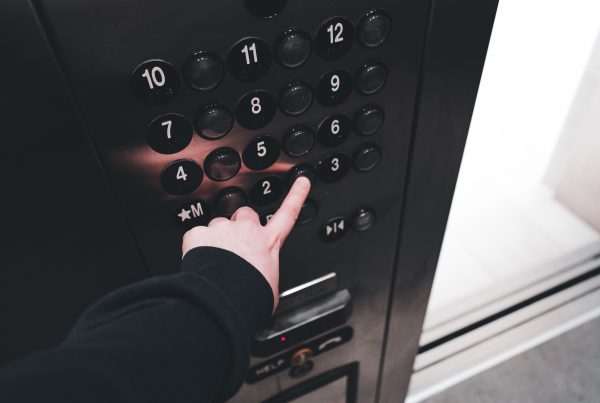
Using a smart elevator is genuinely simpler than the older method, once you adjust to it. Most installations have a touchscreen or keypad in the lobby. You tap the floor you want, and a small display tells you which car to board, say “Car B.” You walk over, the doors open, and the lift takes you up without you pressing anything inside.
For tenants and visitors, a few things change in practice:
- Access control is usually built in. Staff tap an ID card or use a phone app, and the lift only takes them to authorised floors, which adds a useful layer of security in mixed-tenant buildings.
- Visitors get temporary access via a reception app or QR code, so there’s no awkward “please press 8 for me” moment in a crowded car.
- During peak hours, the system bundles passengers efficiently instead of running half-empty cars up and down.
- Mobile apps let regular users call a lift before they even walk into the building, which on a wet July morning in Nairobi is more useful than it sounds.
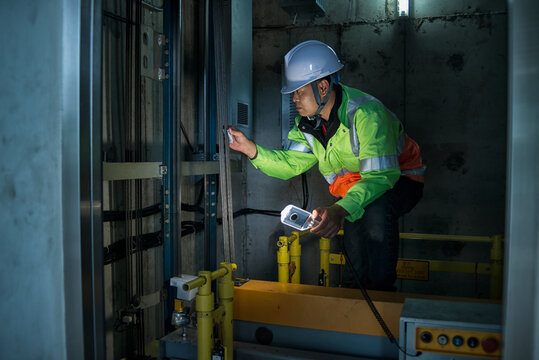
For facility managers, the back end is where the real value sits. A dashboard shows live performance, energy use, maintenance alerts, and historical trends. If a door sensor is acting up on the 7th floor, you know about it long before a tenant logs a complaint. Over time, this kind of visibility turns elevator management from a reactive headache into a planned, budgeted process.
Where to Buy and Install Smart Elevators in Nairobi?
Nairobi has a growing number of suppliers offering smart elevators, but quality and after-sales support vary widely. Some firms simply resell imported hardware. Others bring decades of regional experience, established maintenance teams, and a track record of finished projects you can actually inspect.
When you’re sourcing a provider, ask about a few practical things:
- Local technical presence. A smart elevator project depends on remote diagnostics, but you still need engineers who can show up in Karen or Industrial Area within hours, not days. Response time is often what separates a quick fix from a full breakdown.
- Spare parts availability. Imported components can take weeks to arrive. Confirm that critical parts are stocked locally so a faulty sensor doesn’t turn into a two-week shutdown.
- Compatibility with what you already own. If you’re modernising older equipment, not every smart control system will plug in cleanly. A capable installer will inspect the existing setup first and quote honestly.
- Compliance with safety codes. Any installation in Kenya needs to meet KEBS standards and EPRA electrical regulations, and ideally align with European or Asian lift safety codes as well. Established installers treat this as standard practice, not an afterthought.
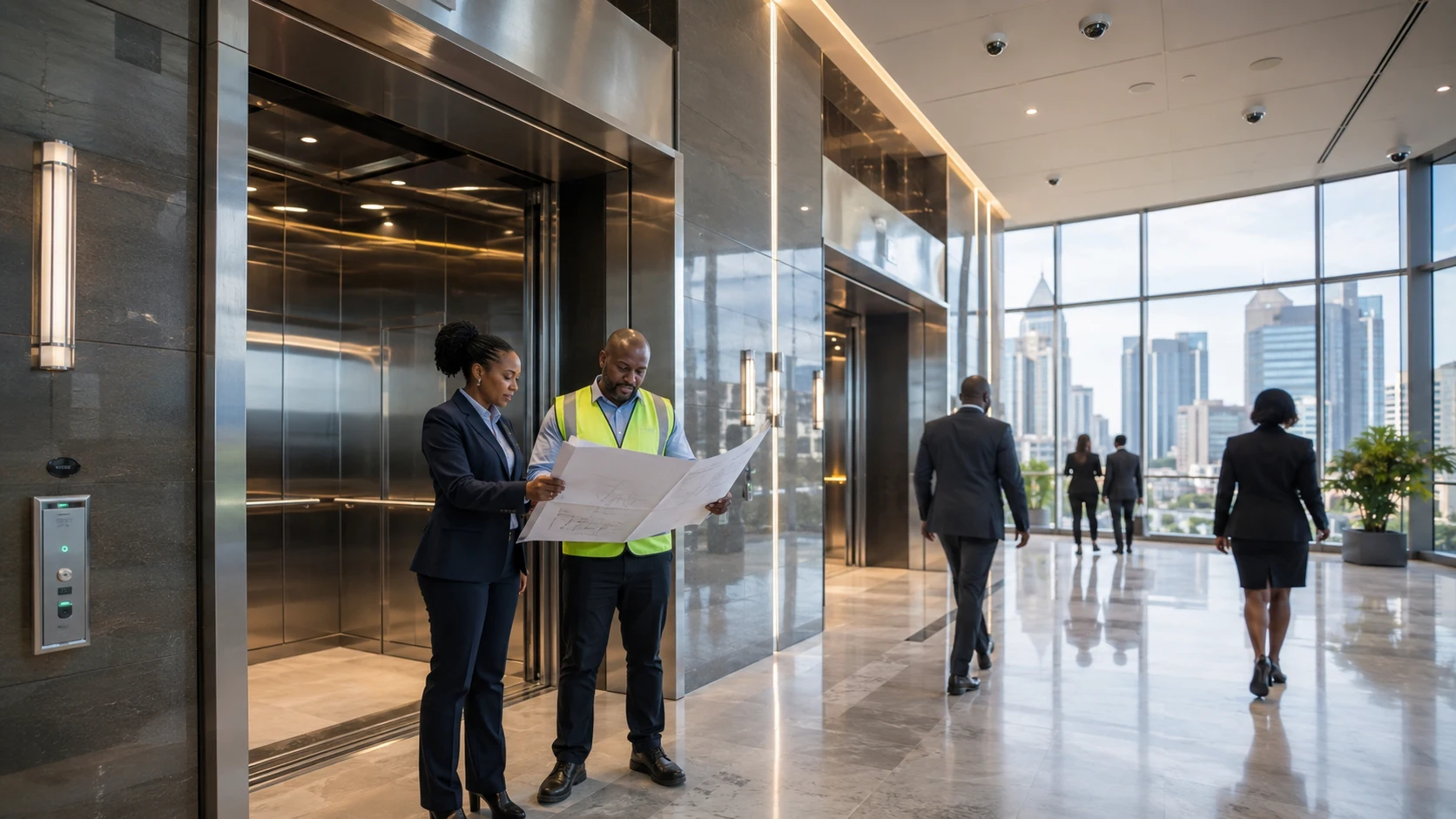
For most commercial developments, the wiser move is to involve a qualified consultant or facility management partner who can match the building’s traffic pattern to the right product, rather than picking based on glossy brochures alone.
Smart Elevator Installation Packages for Kenyan Property Developers
Developers usually prefer clear, costed options rather than open-ended quotes. The smart elevator market in Kenya is broadly arranged into three tiers:
- Entry-level modernisation. Adding IoT sensors, remote monitoring, and updated control panels to existing lifts. Usually the most affordable route and a sensible choice for buildings where the mechanical parts are still in good shape. Often pays for itself through reduced breakdown costs alone.
- Mid-range full smart installation. New gearless machines, destination dispatch, energy-efficient drives, and a cloud monitoring dashboard. A good fit for new commercial buildings of 6 to 15 floors looking to attract quality tenants from day one.
- Premium intelligent vertical transport. Full AI-driven traffic management, biometric and mobile access, integration with building automation, regenerative drives, and predictive maintenance with proper service-level agreements. Common in Grade A office towers and high-end residential developments, where every detail of the tenant experience matters.
Most reputable installation contracts include commissioning, a warranty period, and an ongoing maintenance plan. The maintenance side is where smart features pay off most clearly. Predictive servicing tends to cut breakdowns by 30 to 50 percent compared to reactive maintenance, based on industry figures. For a building owner, that translates to fewer angry calls, lower repair invoices, and better tenant retention.
For developers planning ahead, designing the lift shaft and machine room with future smart upgrades in mind from day one saves a serious amount on retrofits later. It’s the kind of small early decision that quietly pays back for the next twenty years. A short consultation with an experienced provider before the architectural drawings are finalised is usually time well spent.
Conclusion
Smart elevators are no longer a futuristic concept reserved for skyscrapers in Dubai or Singapore. The global smart elevator market is already worth tens of billions of dollars and growing at roughly 10 percent a year, and buildings in Nairobi, Mombasa, and Kisumu are firmly part of that curve. Properties that adopt them tend to see real returns through lower downtime, better tenant satisfaction, and reduced energy costs. Whether you are modernising an older block or planning a new development, the technology has matured to the point where ignoring it has become the more expensive choice.
If you are considering a smart elevator project for your property, talk to a team that brings real installation experience and a serious commitment to after-sales support. IET Solutions has been in the vertical transportation business since 1985, with operations across five countries and a Nairobi office ready to advise on elevators, escalators, modernisation, and parking systems.
Visit IET Solutions or call to discuss what would work best for your building.
FAQs:
What is a smart elevator?
A smart elevator is a lift that uses sensors, internet connectivity, and software, often with AI, to manage passenger traffic, monitor its own health, and communicate with building systems. It moves people more efficiently than a conventional lift and flags maintenance issues before they turn into a breakdown.
What are the top 3 elevator companies?
The global elevator market is led by a handful of long-established multinationals from the US, Europe, and Japan, most of which have local agents in Kenya. For commercial buildings here, though, what matters more is local engineering capacity, response times, and compliance with safety standards. Regional firms with long track records, such as IET Solutions, are often a strong fit for projects where after-sales support and local responsiveness count.
What is the new technology in elevators?
The biggest recent shifts include AI-driven destination dispatch, predictive maintenance through IoT sensors, touchless and biometric controls, regenerative drives that recover energy, and rope-free systems that can move cars horizontally as well as vertically. Most of these are now commercially available in one form or another.